Chess against the computer lets you play the world’s most famous strategy game at your own pace, with AI opponents ranging from absolute beginner to grandmaster strength. Whether you’re learning the basics or sharpening your tactical skills, playing against an AI is the perfect way to practice without the pressure of a human opponent watching your every move.
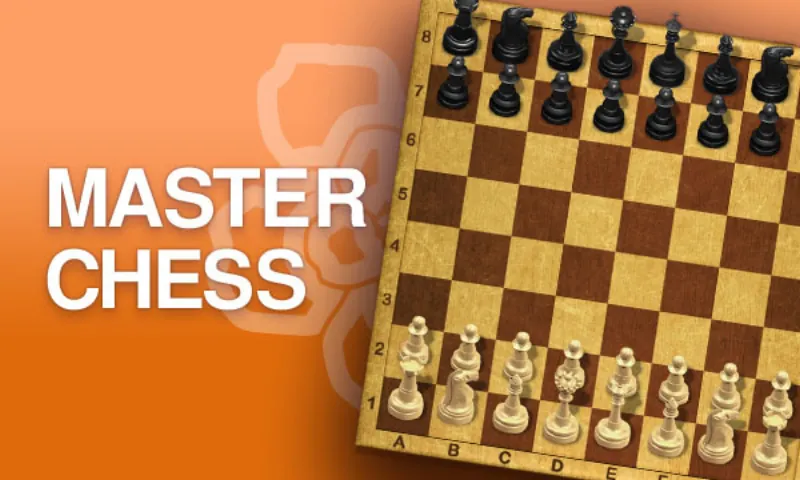
Chess has been played for over 1,500 years, evolving from the Indian game chaturanga through Persian shatranj to the modern game codified in Europe during the 15th century. It’s a two-player strategy game played on an 8×8 grid where each player commands 16 pieces: one king, one queen, two rooks, two bishops, two knights, and eight pawns. Each piece moves according to specific rules, and the objective is to checkmate your opponent’s king — placing it under attack with no legal escape.
Playing against the computer offers unique advantages over human opponents. You can take as long as you want on each move without feeling pressured. You can undo moves to explore different lines. You can adjust the AI difficulty to match your current skill level, ensuring every game is challenging but not demoralising. Modern chess engines on platforms like Chess.com use sophisticated AI that can mimic different playing styles, from aggressive tactical play to solid positional strategy.
For beginners, the computer serves as a patient teacher. Lower difficulty levels intentionally make sub-optimal moves, giving you opportunities to practice tactics like forks, pins, skewers, and discovered attacks. As you improve, you can gradually increase the difficulty until the AI starts playing genuinely strong moves that challenge your understanding of chess strategy. Many players use computer opponents to practice specific openings, test endgame techniques, or warm up before playing rated games against humans.
How To Play Chess Against Computer
- Click a piece to select it, then click its destination square to move it.
- Each piece type moves differently: pawns forward, rooks in straight lines, bishops diagonally, knights in L-shapes, queens in any direction, and kings one square in any direction.
- Capture opposing pieces by moving to their square.
- Castle by moving the king two squares toward a rook (special conditions apply).
- Your goal is checkmate — attack the opponent’s king so it cannot escape.
- Adjust the AI difficulty level to match your skill for the best practice experience.